Buy conferencing.eu ?
We are moving the project
conferencing.eu .
Are you interested in purchasing the domain
conferencing.eu ?
domain@kv-gmbh.de · 0541-91531010
Buy conferencing.eu ?
What is a receptor molecule?
A receptor molecule is a protein located on the surface of a cell that binds to specific signaling molecules, such as hormones or neurotransmitters. When the signaling molecule binds to the receptor, it triggers a cellular response, such as a change in gene expression or activation of a signaling pathway. Receptor molecules are crucial for communication between cells and for coordinating various physiological processes within the body. **
Can you explain the receptor potential?
The receptor potential is a change in membrane potential that occurs in sensory receptor cells in response to a stimulus. When a stimulus such as light, sound, or touch activates a sensory receptor, it causes ion channels in the cell membrane to open or close, leading to a change in membrane potential. This change in membrane potential triggers the generation of action potentials, which are then transmitted to the central nervous system for processing and interpretation. The receptor potential serves as the initial step in converting a sensory stimulus into an electrical signal that can be transmitted to the brain for perception. **


Similar search terms for Receptor
Top-Angebote
Products related to Receptor:
-
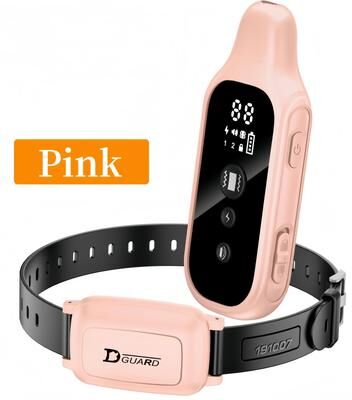
Uplift Essentials Remote Pet Training & Communication Collar pinkImprove your relationship with your pet through precise, longrange communication. This Professional Remote Training Collar is specifically engineered for cats and small pets, offering an industryleading range of up to 3,300 ft. Designed to address...134,97 $*Shipping: 0,00 $Secure redirect to the provider
-
OEM "63"" Conference Table, Meeting Desk for 4-6 People, Solid Wood Office Table for Conference Room, Office, Collaboration Space"Great ideas don’t happen in isolation—they spark from collaboration, grow from discussion, and take shape around a table where voices are heard, creativity flows, and small teams come together to chase a common goal.289,99 $*Shipping: 0,00 $Secure redirect to the provider
-
"""Duckhorn The Discussion 2021 Red Wine - California""""""A complex medley of brambly red currants, black raspberry, fig compote & rose petals grace the nose. The palate is supple and velvety with powdery tannins bolstering age-ability. Extended barrel aging yields wonderful complexity with hints of..."191,99 $*Shipping: 0,00 $Secure redirect to the provider
-
Uplift Essentials Virtual Motion Ocean Aquarium Lamp Virtual Motion Ocean Aquarium Lamp"Experience the tranquil beauty of the deep blue without the maintenance of a real tank with the Virtual Motion Ocean Aquarium Lamp. This creative decorative piece uses highdefinition ""moving picture"" technology to simulate a vibrant tropical reef,..."79,97 $*Shipping: 0,00 $Secure redirect to the provider



-
Are regulator and activator proteins also hormone receptor complexes?
Regulator and activator proteins are not the same as hormone receptor complexes, although they may interact with hormone receptor complexes to modulate their activity. Hormone receptor complexes are specific proteins that bind to hormones and initiate a cellular response, while regulator and activator proteins are involved in regulating the activity of these hormone receptor complexes. Regulator and activator proteins can enhance or inhibit the activity of hormone receptor complexes, but they are not themselves hormone receptor complexes. **
-
Why does the receptor potential decrease towards the axon hillock?
The receptor potential decreases towards the axon hillock because the axon hillock acts as a site of integration for incoming signals from various receptors. As the receptor potential travels towards the axon hillock, it undergoes summation with other incoming signals. This integration process helps determine whether an action potential will be generated and propagated down the axon. The decrease in receptor potential towards the axon hillock is crucial for the neuron to make decisions about whether to transmit the signal further. **
-
What is the effect of barbiturates on the GABA-A receptor?
Barbiturates enhance the inhibitory effects of the neurotransmitter GABA on the GABA-A receptor. They bind to a specific site on the receptor and increase the duration of the chloride channel opening, leading to hyperpolarization of the neuron and inhibition of neuronal activity. This results in sedative, hypnotic, and anxiolytic effects, making barbiturates commonly used as central nervous system depressants. Prolonged use of barbiturates can lead to tolerance, dependence, and potentially dangerous withdrawal symptoms. **
-
What happens when the receptor potential reaches the central nervous system?
When the receptor potential reaches the central nervous system, it triggers the generation of action potentials in sensory neurons. These action potentials travel along the sensory neurons to the brain, where they are processed and interpreted. The brain then generates a response or perception based on the information received from the receptor potential. This process allows us to sense and respond to various stimuli in our environment. **

How is a receptor potential generated based on the ion theory?
A receptor potential is generated based on the ion theory through the activation of ion channels in response to a stimulus. When a stimulus is detected by a sensory receptor, it causes ion channels in the receptor membrane to open or close, allowing specific ions to flow into or out of the cell. This movement of ions creates a change in the membrane potential, known as the receptor potential. The magnitude of the receptor potential is directly related to the strength of the stimulus, with stronger stimuli leading to larger changes in membrane potential. **
What is the difference between a receptor and an action potential?
A receptor is a specialized protein molecule that can detect specific signals or stimuli from the environment and initiate a response. On the other hand, an action potential is a brief electrical signal that travels along the membrane of a neuron or muscle cell, allowing for communication between different parts of the body. In summary, receptors detect signals, while action potentials are the electrical signals that transmit information within the body. **
Top-Angebote
Products related to Receptor:
-
OEM "31.5"" Round Conference Table, Modern Small Meeting Home Office Table, Discussion Office Table"Every workspace deserves a touch of elegance that balances professionalism with comfort—a space where ideas flow, conversations thrive, and every moment feels purposeful.188,78 $*Shipping: 0,00 $Secure redirect to the provider
-
Uplift Essentials Remote Pet Training & Communication Collar pinkImprove your relationship with your pet through precise, longrange communication. This Professional Remote Training Collar is specifically engineered for cats and small pets, offering an industryleading range of up to 3,300 ft. Designed to address...134,97 $*Shipping: 0,00 $Secure redirect to the provider
-
OEM "63"" Conference Table, Meeting Desk for 4-6 People, Solid Wood Office Table for Conference Room, Office, Collaboration Space"Great ideas don’t happen in isolation—they spark from collaboration, grow from discussion, and take shape around a table where voices are heard, creativity flows, and small teams come together to chase a common goal.289,99 $*Shipping: 0,00 $Secure redirect to the provider
-
What is a receptor molecule?
A receptor molecule is a protein located on the surface of a cell that binds to specific signaling molecules, such as hormones or neurotransmitters. When the signaling molecule binds to the receptor, it triggers a cellular response, such as a change in gene expression or activation of a signaling pathway. Receptor molecules are crucial for communication between cells and for coordinating various physiological processes within the body. **
-
Can you explain the receptor potential?
The receptor potential is a change in membrane potential that occurs in sensory receptor cells in response to a stimulus. When a stimulus such as light, sound, or touch activates a sensory receptor, it causes ion channels in the cell membrane to open or close, leading to a change in membrane potential. This change in membrane potential triggers the generation of action potentials, which are then transmitted to the central nervous system for processing and interpretation. The receptor potential serves as the initial step in converting a sensory stimulus into an electrical signal that can be transmitted to the brain for perception. **
-
Are regulator and activator proteins also hormone receptor complexes?
Regulator and activator proteins are not the same as hormone receptor complexes, although they may interact with hormone receptor complexes to modulate their activity. Hormone receptor complexes are specific proteins that bind to hormones and initiate a cellular response, while regulator and activator proteins are involved in regulating the activity of these hormone receptor complexes. Regulator and activator proteins can enhance or inhibit the activity of hormone receptor complexes, but they are not themselves hormone receptor complexes. **
-
Why does the receptor potential decrease towards the axon hillock?
The receptor potential decreases towards the axon hillock because the axon hillock acts as a site of integration for incoming signals from various receptors. As the receptor potential travels towards the axon hillock, it undergoes summation with other incoming signals. This integration process helps determine whether an action potential will be generated and propagated down the axon. The decrease in receptor potential towards the axon hillock is crucial for the neuron to make decisions about whether to transmit the signal further. **
Similar search terms for Receptor
-
"""Duckhorn The Discussion 2021 Red Wine - California""""""A complex medley of brambly red currants, black raspberry, fig compote & rose petals grace the nose. The palate is supple and velvety with powdery tannins bolstering age-ability. Extended barrel aging yields wonderful complexity with hints of..."191,99 $*Shipping: 0,00 $Secure redirect to the provider
-
Uplift Essentials Virtual Motion Ocean Aquarium Lamp Virtual Motion Ocean Aquarium Lamp"Experience the tranquil beauty of the deep blue without the maintenance of a real tank with the Virtual Motion Ocean Aquarium Lamp. This creative decorative piece uses highdefinition ""moving picture"" technology to simulate a vibrant tropical reef,..."79,97 $*Shipping: 0,00 $Secure redirect to the provider
-
Uplift Essentials Serene Motion Virtual Aquarium Lamp Serene Motion Virtual Aquarium Lamp"Bring the soothing magic of the underwater world to your tabletop with the Serene Motion Virtual Aquarium Lamp. This highdefinition desktop aquarium decorative light uses advanced ""movingpicture"" technology to create a mesmerizing, continuous swim..."82,97 $*Shipping: 0,00 $Secure redirect to the provider
-
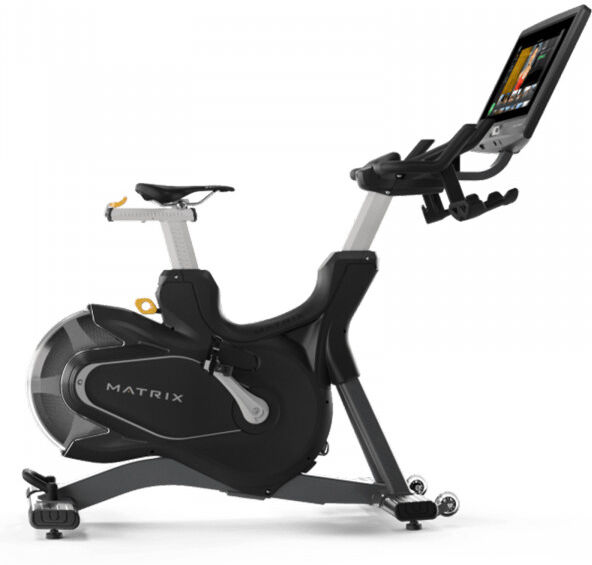
Matrix Virtual Training Cycle CXVTHE MATRIX VIRTUAL TRAINING CYCLE The Matrix Virtual Training Cycle is the purpose built bike for your cardio zone. Whether gym members are challenging themselves with exclusive workouts, enjoying streaming entertainment or taking on an immersive group class, the Virtual Training Cycle will...4794,00 £*Shipping: 0,00 £Secure redirect to the provider
-
What is the effect of barbiturates on the GABA-A receptor?
Barbiturates enhance the inhibitory effects of the neurotransmitter GABA on the GABA-A receptor. They bind to a specific site on the receptor and increase the duration of the chloride channel opening, leading to hyperpolarization of the neuron and inhibition of neuronal activity. This results in sedative, hypnotic, and anxiolytic effects, making barbiturates commonly used as central nervous system depressants. Prolonged use of barbiturates can lead to tolerance, dependence, and potentially dangerous withdrawal symptoms. **
-
What happens when the receptor potential reaches the central nervous system?
When the receptor potential reaches the central nervous system, it triggers the generation of action potentials in sensory neurons. These action potentials travel along the sensory neurons to the brain, where they are processed and interpreted. The brain then generates a response or perception based on the information received from the receptor potential. This process allows us to sense and respond to various stimuli in our environment. **
-
How is a receptor potential generated based on the ion theory?
A receptor potential is generated based on the ion theory through the activation of ion channels in response to a stimulus. When a stimulus is detected by a sensory receptor, it causes ion channels in the receptor membrane to open or close, allowing specific ions to flow into or out of the cell. This movement of ions creates a change in the membrane potential, known as the receptor potential. The magnitude of the receptor potential is directly related to the strength of the stimulus, with stronger stimuli leading to larger changes in membrane potential. **
-
What is the difference between a receptor and an action potential?
A receptor is a specialized protein molecule that can detect specific signals or stimuli from the environment and initiate a response. On the other hand, an action potential is a brief electrical signal that travels along the membrane of a neuron or muscle cell, allowing for communication between different parts of the body. In summary, receptors detect signals, while action potentials are the electrical signals that transmit information within the body. **
* All prices are inclusive of VAT and, if applicable, plus shipping costs. The offer information is based on the details provided by the respective shop and is updated through automated processes. Real-time updates do not occur, so deviations can occur in individual cases. ** Note: Parts of this content were created by AI.