Buy conferencing.eu ?
We are moving the project
conferencing.eu .
Are you interested in purchasing the domain
conferencing.eu ?
domain@kv-gmbh.de · 0541-91531010
Buy conferencing.eu ?
From when is one considered an oncologist?
One is considered an oncologist after completing medical school, a residency in internal medicine, and a fellowship in oncology. This typically takes around 13 years of education and training after high school. Once these requirements are met, the individual can become board-certified in medical oncology and officially practice as an oncologist, specializing in the diagnosis and treatment of cancer. **
How can I become a psycho-oncologist?
To become a psycho-oncologist, you will typically need to complete a doctoral degree in psychology (Ph.D. or Psy.D.) and obtain a state license to practice as a psychologist. After completing your doctoral program, you can pursue specialized training in psycho-oncology through postdoctoral fellowships, specialized courses, or certification programs. It's also important to gain experience working with cancer patients and their families, either through internships, clinical placements, or employment at cancer treatment centers or hospitals. Additionally, seeking board certification in psycho-oncology through organizations such as the American Psychosocial Oncology Society can further demonstrate your expertise in this specialized field. **


Similar search terms for Oncologist
Top-Angebote
Products related to Oncologist:
-
OEM "31.5"" Round Conference Table, Modern Small Meeting Home Office Table, Discussion Office Table"Every workspace deserves a touch of elegance that balances professionalism with comfort—a space where ideas flow, conversations thrive, and every moment feels purposeful.188,78 $*Shipping: 0,00 $Secure redirect to the provider
-
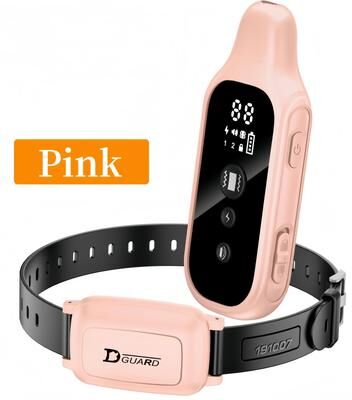
Uplift Essentials Remote Pet Training & Communication Collar pinkImprove your relationship with your pet through precise, longrange communication. This Professional Remote Training Collar is specifically engineered for cats and small pets, offering an industryleading range of up to 3,300 ft. Designed to address...134,97 $*Shipping: 0,00 $Secure redirect to the provider
-
OEM "63"" Conference Table, Meeting Desk for 4-6 People, Solid Wood Office Table for Conference Room, Office, Collaboration Space"Great ideas don’t happen in isolation—they spark from collaboration, grow from discussion, and take shape around a table where voices are heard, creativity flows, and small teams come together to chase a common goal.289,99 $*Shipping: 0,00 $Secure redirect to the provider
-
"""Duckhorn The Discussion 2021 Red Wine - California""""""A complex medley of brambly red currants, black raspberry, fig compote & rose petals grace the nose. The palate is supple and velvety with powdery tannins bolstering age-ability. Extended barrel aging yields wonderful complexity with hints of..."191,99 $*Shipping: 0,00 $Secure redirect to the provider



-
How long does one have to study to become an oncologist?
Becoming an oncologist requires a significant amount of education and training. After completing a bachelor's degree, one must attend medical school, which typically takes four years. Following medical school, a residency in internal medicine or pediatrics is required, which lasts for three years. After completing residency, aspiring oncologists must then complete a fellowship in oncology, which typically takes two to three years. In total, it can take around 10-12 years of education and training to become an oncologist. **
-
Can I not go to the oncologist if it's about lymph nodes?
It is important to consult with an oncologist if there are concerns about lymph nodes because they specialize in diagnosing and treating cancer, which can often involve lymph nodes. An oncologist will have the expertise to determine if further testing or treatment is necessary based on the specific situation. It is recommended to follow the advice of a healthcare provider to ensure the best possible care and outcome. **
-
What is the virtual communication revolution?
The virtual communication revolution refers to the widespread adoption and reliance on digital platforms and technologies for communication. This includes the use of video conferencing, messaging apps, social media, and other online tools to connect and interact with others. The revolution has transformed the way people communicate, breaking down geographical barriers and enabling real-time, instant communication across the globe. It has also revolutionized the way businesses operate, allowing for remote work, virtual meetings, and global collaboration. **
-
How can a cancer patient become a competent oncologist just through the experience of the illness, able to answer questions about cancer?
A cancer patient can become a competent oncologist through the experience of the illness by actively engaging with their treatment, asking questions, and seeking to understand their diagnosis and treatment options. By participating in support groups, reading medical literature, and discussing their condition with healthcare professionals, they can gain a deep understanding of cancer and its treatment. Additionally, they can use their personal experience to empathize with other patients and provide valuable insights into the emotional and psychological aspects of living with cancer. This firsthand experience can provide a unique perspective that can make them a knowledgeable and compassionate resource for others seeking information about cancer. **


How does online communication differ from offline communication?
Online communication differs from offline communication in several ways. One key difference is the lack of nonverbal cues in online communication, such as body language and tone of voice, which can sometimes lead to misunderstandings. Additionally, online communication allows for asynchronous communication, meaning messages can be sent and received at different times, while offline communication typically occurs in real-time. Online communication also provides a wider reach and the ability to connect with people from all over the world, whereas offline communication is usually limited to those in close physical proximity. **
Can one unlearn online communication?
Yes, one can unlearn online communication. Just as with any skill, if someone stops using or practicing online communication, they may lose some of their proficiency in it over time. Additionally, if someone actively works to change their online communication habits and patterns, they can unlearn certain behaviors and develop new ones. It's important to remember that communication is a learned skill, and like any skill, it can be unlearned and relearned with conscious effort and practice. **
Top-Angebote
Products related to Oncologist:
-
Logitech Spotlight Presentation Remote - SlateTop features: - Enjoy highly accurate control over your presentations - Highlight and magnify areas of interest - Compatible with Windows and Mac and a range of presentation apps - Up to three months of battery life and fast charging Enjoy highly accurate control The Logitech Spotlight Presentation Remote makes presenting easier thanks to highly accurate gesture controls that respond to your every movement. Spotlight works wirelessly so you can navigate slides and video content from up to 30 metres away. And with three programmable buttons you can rewind, pause, and fast forward slides effortlessly. Highlight and magnify An advanced pointer system lets you highlight and magnify to zoom in on areas on your slides – it's great for emphasising key points during your presentations. Use the highlight button to focus on a particular area that leaves the surrounding area in shade. Set your preferred pointer preferences using the Logitech presentation app. Compatible with Windows and Mac Spotlight is built to be versatile and compatible with almost any computer setup. It works on Windows and Apple Mac computers, and with a range of presentation applications including: Powerpoint, Keynote, PDFs, Google Slide and Prezi presentations. Up to three months of battery life Give your Spotlight a full charge using a USB-C charging cable and enjoy up to three months of battery life. Or benefit from fast charging. A one-minute charge provides up to three hours of presenting time. A full charge takes just 60 minutes. The device vibrates and the battery indicator glows red when it needs to be recharged. LOGITECH Spotlight Presentation Remote - Slate, Connection: Wireless 2.4 GHz, Up to 3 months battery life, USB rechargeable101,99 £*Shipping: 0,00 £Secure redirect to the provider
-
OEM "31.5"" Round Conference Table, Modern Small Meeting Home Office Table, Discussion Office Table"Every workspace deserves a touch of elegance that balances professionalism with comfort—a space where ideas flow, conversations thrive, and every moment feels purposeful.188,78 $*Shipping: 0,00 $Secure redirect to the provider
-
Uplift Essentials Remote Pet Training & Communication Collar pinkImprove your relationship with your pet through precise, longrange communication. This Professional Remote Training Collar is specifically engineered for cats and small pets, offering an industryleading range of up to 3,300 ft. Designed to address...134,97 $*Shipping: 0,00 $Secure redirect to the provider
-
From when is one considered an oncologist?
One is considered an oncologist after completing medical school, a residency in internal medicine, and a fellowship in oncology. This typically takes around 13 years of education and training after high school. Once these requirements are met, the individual can become board-certified in medical oncology and officially practice as an oncologist, specializing in the diagnosis and treatment of cancer. **
-
How can I become a psycho-oncologist?
To become a psycho-oncologist, you will typically need to complete a doctoral degree in psychology (Ph.D. or Psy.D.) and obtain a state license to practice as a psychologist. After completing your doctoral program, you can pursue specialized training in psycho-oncology through postdoctoral fellowships, specialized courses, or certification programs. It's also important to gain experience working with cancer patients and their families, either through internships, clinical placements, or employment at cancer treatment centers or hospitals. Additionally, seeking board certification in psycho-oncology through organizations such as the American Psychosocial Oncology Society can further demonstrate your expertise in this specialized field. **
-
How long does one have to study to become an oncologist?
Becoming an oncologist requires a significant amount of education and training. After completing a bachelor's degree, one must attend medical school, which typically takes four years. Following medical school, a residency in internal medicine or pediatrics is required, which lasts for three years. After completing residency, aspiring oncologists must then complete a fellowship in oncology, which typically takes two to three years. In total, it can take around 10-12 years of education and training to become an oncologist. **
-
Can I not go to the oncologist if it's about lymph nodes?
It is important to consult with an oncologist if there are concerns about lymph nodes because they specialize in diagnosing and treating cancer, which can often involve lymph nodes. An oncologist will have the expertise to determine if further testing or treatment is necessary based on the specific situation. It is recommended to follow the advice of a healthcare provider to ensure the best possible care and outcome. **
Similar search terms for Oncologist
-
OEM "63"" Conference Table, Meeting Desk for 4-6 People, Solid Wood Office Table for Conference Room, Office, Collaboration Space"Great ideas don’t happen in isolation—they spark from collaboration, grow from discussion, and take shape around a table where voices are heard, creativity flows, and small teams come together to chase a common goal.289,99 $*Shipping: 0,00 $Secure redirect to the provider
-
"""Duckhorn The Discussion 2021 Red Wine - California""""""A complex medley of brambly red currants, black raspberry, fig compote & rose petals grace the nose. The palate is supple and velvety with powdery tannins bolstering age-ability. Extended barrel aging yields wonderful complexity with hints of..."191,99 $*Shipping: 0,00 $Secure redirect to the provider
-
Uplift Essentials Serene Motion Virtual Aquarium Lamp Serene Motion Virtual Aquarium Lamp"Bring the soothing magic of the underwater world to your tabletop with the Serene Motion Virtual Aquarium Lamp. This highdefinition desktop aquarium decorative light uses advanced ""movingpicture"" technology to create a mesmerizing, continuous swim..."82,97 $*Shipping: 0,00 $Secure redirect to the provider
-
Uplift Essentials Virtual Motion Ocean Aquarium Lamp Virtual Motion Ocean Aquarium Lamp"Experience the tranquil beauty of the deep blue without the maintenance of a real tank with the Virtual Motion Ocean Aquarium Lamp. This creative decorative piece uses highdefinition ""moving picture"" technology to simulate a vibrant tropical reef,..."79,97 $*Shipping: 0,00 $Secure redirect to the provider
-
What is the virtual communication revolution?
The virtual communication revolution refers to the widespread adoption and reliance on digital platforms and technologies for communication. This includes the use of video conferencing, messaging apps, social media, and other online tools to connect and interact with others. The revolution has transformed the way people communicate, breaking down geographical barriers and enabling real-time, instant communication across the globe. It has also revolutionized the way businesses operate, allowing for remote work, virtual meetings, and global collaboration. **
-
How can a cancer patient become a competent oncologist just through the experience of the illness, able to answer questions about cancer?
A cancer patient can become a competent oncologist through the experience of the illness by actively engaging with their treatment, asking questions, and seeking to understand their diagnosis and treatment options. By participating in support groups, reading medical literature, and discussing their condition with healthcare professionals, they can gain a deep understanding of cancer and its treatment. Additionally, they can use their personal experience to empathize with other patients and provide valuable insights into the emotional and psychological aspects of living with cancer. This firsthand experience can provide a unique perspective that can make them a knowledgeable and compassionate resource for others seeking information about cancer. **
-
How does online communication differ from offline communication?
Online communication differs from offline communication in several ways. One key difference is the lack of nonverbal cues in online communication, such as body language and tone of voice, which can sometimes lead to misunderstandings. Additionally, online communication allows for asynchronous communication, meaning messages can be sent and received at different times, while offline communication typically occurs in real-time. Online communication also provides a wider reach and the ability to connect with people from all over the world, whereas offline communication is usually limited to those in close physical proximity. **
-
Can one unlearn online communication?
Yes, one can unlearn online communication. Just as with any skill, if someone stops using or practicing online communication, they may lose some of their proficiency in it over time. Additionally, if someone actively works to change their online communication habits and patterns, they can unlearn certain behaviors and develop new ones. It's important to remember that communication is a learned skill, and like any skill, it can be unlearned and relearned with conscious effort and practice. **
* All prices are inclusive of VAT and, if applicable, plus shipping costs. The offer information is based on the details provided by the respective shop and is updated through automated processes. Real-time updates do not occur, so deviations can occur in individual cases. ** Note: Parts of this content were created by AI.