Buy conferencing.eu ?
We are moving the project
conferencing.eu .
Are you interested in purchasing the domain
conferencing.eu ?
domain@kv-gmbh.de · 0541-91531010
Buy conferencing.eu ?
How can I stop getting emotional when I'm having a discussion?
One way to stop getting emotional during a discussion is to practice mindfulness and self-awareness. By being aware of your emotions and recognizing when they are starting to escalate, you can take a step back and give yourself a moment to calm down before responding. It can also be helpful to focus on the facts and logic of the discussion rather than letting your emotions take over. Additionally, practicing active listening and trying to understand the other person's perspective can help you stay more objective and less emotional during the conversation. **
What is the best book on psychology, communication, and emotional intelligence?
One highly recommended book that covers psychology, communication, and emotional intelligence is "Emotional Intelligence 2.0" by Travis Bradberry and Jean Greaves. This book provides practical strategies for improving emotional intelligence, communication skills, and understanding human behavior. It also includes a self-assessment test to help readers identify their strengths and areas for improvement. Overall, "Emotional Intelligence 2.0" is a valuable resource for anyone looking to enhance their understanding of emotions and interpersonal relationships. **


Similar search terms for Emotional
Top-Angebote
Products related to Emotional:
-
Perfect Picks Market Kids Emotional Expression Mirror Early Education & Emotional Learning Toy For Toddlers pinkNurture your childs emotional intelligence with the Kids Emotional Expression Mirrora fun, interactive learning tool designed to help toddlers understand and manage their feelings. This innovative toy features six emotional expression cards and a...49,97 $*Shipping: 0,00 $Secure redirect to the provider
-
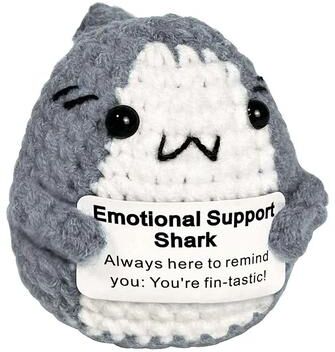
Inspired Finds Emotional Support Crochet Plush Mini Handmade Desk Decor Cute Gift Ornament emotional Support SharkBring a little comfort and joy into everyday life with this adorable emotional support crochet plush designed to brighten your mood instantly. Handmade with soft yarn and charming details, this mini crochet plush toy is perfect for desks, shelves,...39,99 $*Shipping: 0,00 $Secure redirect to the provider
-
Just Play Emotional Support Dumplings Plush Set - Kids Soft Toys for Emotional Comfort - 5 Packed SetFive soft dumpling-shaped plush toys with embroidered expressions and personalities. Soft fabric and squishy feel for comfort and play. Ideal for home, desk, or as a gift.12,99 £*Shipping: 3,95 £Secure redirect to the provider
-
Equisalud Holomega Emotional Balance 180 capsulesNutrition and Supplements Special supplements Equisalud Holomega Emotional Balance 180 capsules A dietary supplement that regulates the nervous system in general. It regulates emotions, sleep, anxiety, nervousness, depression, and general nervous imbalance. It has antioxidant properties that enhance cognitive function and improve memory.112,38 £*Shipping: 3,99 £Secure redirect to the provider



-
How can nonverbal communication be used to interpret a person's emotional state?
Nonverbal communication can be used to interpret a person's emotional state by observing their body language, facial expressions, and tone of voice. For example, crossed arms and a furrowed brow may indicate that a person is feeling defensive or upset, while a relaxed posture and a genuine smile may indicate that they are feeling happy and at ease. Additionally, the tone of a person's voice, such as a shaky or quivering tone, may indicate that they are feeling anxious or nervous. By paying attention to these nonverbal cues, one can gain insight into a person's emotional state and respond accordingly. **
-
How can one use nonverbal communication to interpret a person's emotional state?
Nonverbal communication can provide valuable insights into a person's emotional state. By observing their body language, facial expressions, gestures, and tone of voice, one can gauge how they are feeling. For example, crossed arms and a furrowed brow may indicate defensiveness or anger, while a smile and open posture may suggest happiness or relaxation. It is important to consider these nonverbal cues in conjunction with verbal communication to get a more accurate understanding of someone's emotions. **
-
What is the difference between emotional instability and emotional weakness?
Emotional instability refers to frequent and intense fluctuations in one's emotional state, often leading to unpredictable and impulsive behavior. This can be caused by various factors such as mental health conditions, trauma, or stress. On the other hand, emotional weakness refers to a lack of resilience and ability to cope with emotional challenges, often leading to difficulty in managing and regulating one's emotions. While emotional instability involves extreme fluctuations, emotional weakness involves a general inability to handle emotional stressors. Both can impact a person's overall well-being and relationships, but they manifest in different ways. **
-
What can affect emotional pain or does emotional pain influence decisions?
Emotional pain can be influenced by a variety of factors such as past experiences, current stressors, and individual coping mechanisms. Additionally, emotional pain can influence decision-making by clouding judgment, increasing impulsivity, and affecting one's ability to think rationally. It can also lead to avoidance behaviors and a desire to escape or numb the pain, which can impact the choices individuals make. Overall, emotional pain can have a significant impact on decision-making and should be considered when evaluating one's choices. **

Is emotional weakness hereditary?
While there may be a genetic component to emotional sensitivity or vulnerability, it is not accurate to say that emotional weakness is solely hereditary. Environmental factors, upbringing, life experiences, and coping mechanisms also play a significant role in shaping a person's emotional resilience. It is important to recognize that emotional strength can be developed through self-awareness, therapy, support systems, and healthy coping strategies, regardless of any potential genetic predispositions. **
Who knows emotional music?
Emotional music is known by musicians, composers, and music producers who have the ability to convey and evoke deep feelings and emotions through their music. These individuals have a strong understanding of music theory, composition techniques, and the power of melody and harmony in creating emotional connections with listeners. Additionally, music therapists and psychologists also have knowledge of emotional music and its impact on mental and emotional well-being. **
Top-Angebote
Products related to Emotional:
-
Unik Emotional Wellbeing 60 CapsulesNutrition and Supplements Natural Extracts Unik Emotional Wellbeing 60 Capsules Dietary supplement formulated with specially selected natural ingredients to help maintain emotional balance. Directions for use: Take 2 to 3 capsules daily as needed for a minimum of 2 to 3 months, and repeat this regimen periodically if necessary. Take with water, preferably during meals.18,60 £*Shipping: 3,99 £Secure redirect to the provider
-
Perfect Picks Market Kids Emotional Expression Mirror Early Education & Emotional Learning Toy For Toddlers pinkNurture your childs emotional intelligence with the Kids Emotional Expression Mirrora fun, interactive learning tool designed to help toddlers understand and manage their feelings. This innovative toy features six emotional expression cards and a...49,97 $*Shipping: 0,00 $Secure redirect to the provider
-
Inspired Finds Emotional Support Crochet Plush Mini Handmade Desk Decor Cute Gift Ornament emotional Support SharkBring a little comfort and joy into everyday life with this adorable emotional support crochet plush designed to brighten your mood instantly. Handmade with soft yarn and charming details, this mini crochet plush toy is perfect for desks, shelves,...39,99 $*Shipping: 0,00 $Secure redirect to the provider
-
How can I stop getting emotional when I'm having a discussion?
One way to stop getting emotional during a discussion is to practice mindfulness and self-awareness. By being aware of your emotions and recognizing when they are starting to escalate, you can take a step back and give yourself a moment to calm down before responding. It can also be helpful to focus on the facts and logic of the discussion rather than letting your emotions take over. Additionally, practicing active listening and trying to understand the other person's perspective can help you stay more objective and less emotional during the conversation. **
-
What is the best book on psychology, communication, and emotional intelligence?
One highly recommended book that covers psychology, communication, and emotional intelligence is "Emotional Intelligence 2.0" by Travis Bradberry and Jean Greaves. This book provides practical strategies for improving emotional intelligence, communication skills, and understanding human behavior. It also includes a self-assessment test to help readers identify their strengths and areas for improvement. Overall, "Emotional Intelligence 2.0" is a valuable resource for anyone looking to enhance their understanding of emotions and interpersonal relationships. **
-
How can nonverbal communication be used to interpret a person's emotional state?
Nonverbal communication can be used to interpret a person's emotional state by observing their body language, facial expressions, and tone of voice. For example, crossed arms and a furrowed brow may indicate that a person is feeling defensive or upset, while a relaxed posture and a genuine smile may indicate that they are feeling happy and at ease. Additionally, the tone of a person's voice, such as a shaky or quivering tone, may indicate that they are feeling anxious or nervous. By paying attention to these nonverbal cues, one can gain insight into a person's emotional state and respond accordingly. **
-
How can one use nonverbal communication to interpret a person's emotional state?
Nonverbal communication can provide valuable insights into a person's emotional state. By observing their body language, facial expressions, gestures, and tone of voice, one can gauge how they are feeling. For example, crossed arms and a furrowed brow may indicate defensiveness or anger, while a smile and open posture may suggest happiness or relaxation. It is important to consider these nonverbal cues in conjunction with verbal communication to get a more accurate understanding of someone's emotions. **
Similar search terms for Emotional
-
Just Play Emotional Support Dumplings Plush Set - Kids Soft Toys for Emotional Comfort - 5 Packed SetFive soft dumpling-shaped plush toys with embroidered expressions and personalities. Soft fabric and squishy feel for comfort and play. Ideal for home, desk, or as a gift.12,99 £*Shipping: 3,95 £Secure redirect to the provider
-
Equisalud Holomega Emotional Balance 180 capsulesNutrition and Supplements Special supplements Equisalud Holomega Emotional Balance 180 capsules A dietary supplement that regulates the nervous system in general. It regulates emotions, sleep, anxiety, nervousness, depression, and general nervous imbalance. It has antioxidant properties that enhance cognitive function and improve memory.112,38 £*Shipping: 3,99 £Secure redirect to the provider
-
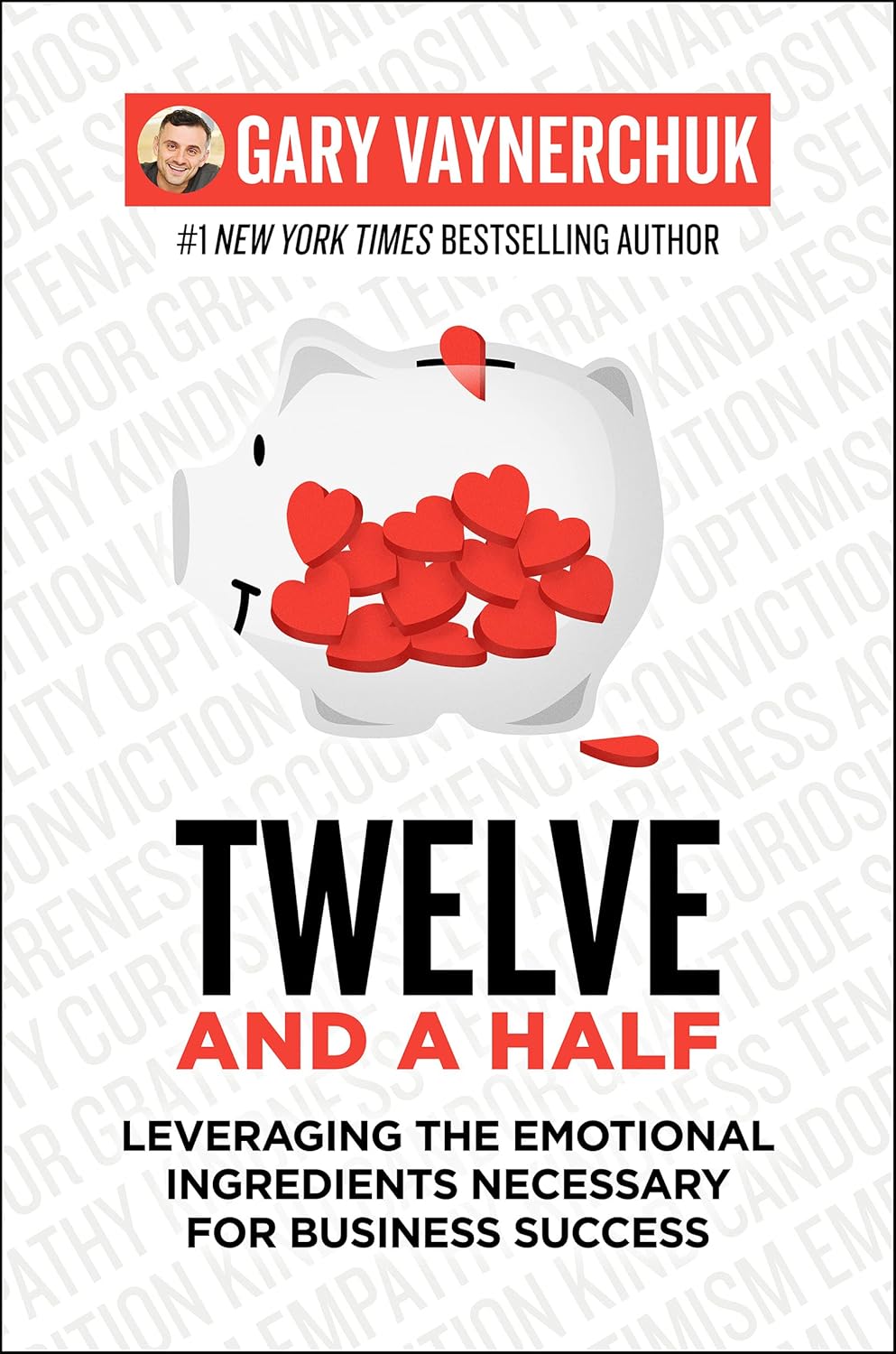
Harper Business Twelve and a Half: Leveraging the Emotional Ingredients Necessary for Business Success by Gary Vaynerchuk - Paperback - Emotional IntelligenceTwelve and a Half: Leveraging the Emotional Ingredients Necessary for Business Success is a practical guide by Gary Vaynerchuk that frames emotional intelligence as a key factor in modern business. Rather than treating empathy, curiosity, and self-awareness as extras, Vaynerchuk argues that they are measurable levers for growth, retention, and leadership impact. The book breaks down twelve core traits (plus one extra) that shape decision-making and culture, giving readers a framework to identify their own strengths, spot blind spots, and apply the right emotional ingredient to the right business situation. Written in a candid style, the book provides a hands-on approach to understanding the emotional ingredients necessary for business success.3,99 £*Shipping: 2,99 £Secure redirect to the provider
-
Relatable Emotional Support Pickles Plush Set - 5 Cuddly Snack Buddies for Kids - Green - Palm-Sized Soft Squishy Emotional Support ToyFive soft and squishy pickle characters with expressive embroidered faces and distinctive charms. Bright green color, palm-sized, ideal for display or gifting.15,39 £*Shipping: 3,95 £Secure redirect to the provider
-
What is the difference between emotional instability and emotional weakness?
Emotional instability refers to frequent and intense fluctuations in one's emotional state, often leading to unpredictable and impulsive behavior. This can be caused by various factors such as mental health conditions, trauma, or stress. On the other hand, emotional weakness refers to a lack of resilience and ability to cope with emotional challenges, often leading to difficulty in managing and regulating one's emotions. While emotional instability involves extreme fluctuations, emotional weakness involves a general inability to handle emotional stressors. Both can impact a person's overall well-being and relationships, but they manifest in different ways. **
-
What can affect emotional pain or does emotional pain influence decisions?
Emotional pain can be influenced by a variety of factors such as past experiences, current stressors, and individual coping mechanisms. Additionally, emotional pain can influence decision-making by clouding judgment, increasing impulsivity, and affecting one's ability to think rationally. It can also lead to avoidance behaviors and a desire to escape or numb the pain, which can impact the choices individuals make. Overall, emotional pain can have a significant impact on decision-making and should be considered when evaluating one's choices. **
-
Is emotional weakness hereditary?
While there may be a genetic component to emotional sensitivity or vulnerability, it is not accurate to say that emotional weakness is solely hereditary. Environmental factors, upbringing, life experiences, and coping mechanisms also play a significant role in shaping a person's emotional resilience. It is important to recognize that emotional strength can be developed through self-awareness, therapy, support systems, and healthy coping strategies, regardless of any potential genetic predispositions. **
-
Who knows emotional music?
Emotional music is known by musicians, composers, and music producers who have the ability to convey and evoke deep feelings and emotions through their music. These individuals have a strong understanding of music theory, composition techniques, and the power of melody and harmony in creating emotional connections with listeners. Additionally, music therapists and psychologists also have knowledge of emotional music and its impact on mental and emotional well-being. **
* All prices are inclusive of VAT and, if applicable, plus shipping costs. The offer information is based on the details provided by the respective shop and is updated through automated processes. Real-time updates do not occur, so deviations can occur in individual cases. ** Note: Parts of this content were created by AI.