Buy conferencing.eu ?
We are moving the project
conferencing.eu .
Are you interested in purchasing the domain
conferencing.eu ?
domain@kv-gmbh.de · 0541-91531010
Buy conferencing.eu ?
What is demographic change?
Demographic change refers to the variations in the composition of a population over time. This can include changes in factors such as age, gender, ethnicity, and socioeconomic status. Demographic change is influenced by factors such as birth rates, death rates, migration patterns, and changes in life expectancy. Understanding demographic change is important for policymakers, businesses, and society as a whole to plan for future needs and challenges. **
What is a demographic system?
A demographic system refers to the structure and dynamics of a population, including its size, distribution, composition, and changes over time. It encompasses factors such as birth rates, death rates, migration patterns, and age distribution. Demographic systems are important for understanding and predicting population trends, as well as for informing policy and planning in areas such as healthcare, education, and social services. By analyzing demographic systems, researchers and policymakers can better understand the needs and challenges of different population groups and develop strategies to address them. **


Similar search terms for Demographic
Top-Angebote
Products related to Demographic:
-
Uplift Essentials Remote Pet Training & Communication Collar whiteImprove your relationship with your pet through precise, longrange communication. This Professional Remote Training Collar is specifically engineered for cats and small pets, offering an industryleading range of up to 3,300 ft. Designed to address...134,97 $*Shipping: 0,00 $Secure redirect to the provider
-
OEM "63"" Conference Table, Meeting Desk for 4-6 People, Solid Wood Office Table for Conference Room, Office, Collaboration Space"Great ideas don’t happen in isolation—they spark from collaboration, grow from discussion, and take shape around a table where voices are heard, creativity flows, and small teams come together to chase a common goal.289,99 $*Shipping: 0,00 $Secure redirect to the provider
-
"""Duckhorn The Discussion 2021 Red Wine - California""""""A complex medley of brambly red currants, black raspberry, fig compote & rose petals grace the nose. The palate is supple and velvety with powdery tannins bolstering age-ability. Extended barrel aging yields wonderful complexity with hints of..."191,99 $*Shipping: 0,00 $Secure redirect to the provider
-
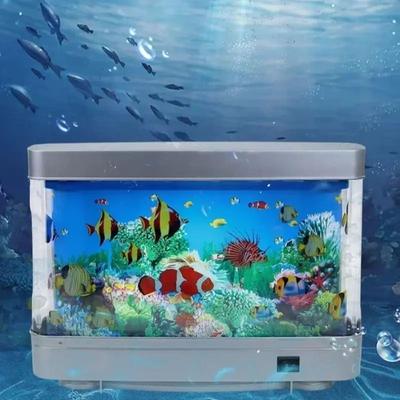
Uplift Essentials Serene Motion Virtual Aquarium Lamp Serene Motion Virtual Aquarium Lamp"Bring the soothing magic of the underwater world to your tabletop with the Serene Motion Virtual Aquarium Lamp. This highdefinition desktop aquarium decorative light uses advanced ""movingpicture"" technology to create a mesmerizing, continuous swim..."82,97 $*Shipping: 0,00 $Secure redirect to the provider



-
What does demographic change mean?
Demographic change refers to the shift in the composition of a population over time. This can include changes in factors such as age, gender, race, ethnicity, and socioeconomic status. Demographic change can have significant impacts on society, including influencing consumer behavior, workforce dynamics, and political representation. Understanding demographic change is important for policymakers, businesses, and organizations to effectively plan for the future and address the needs of a changing population. **
-
What is the demographic contribution?
The demographic contribution refers to the impact of a specific demographic group on a population or society. This can include factors such as population size, age distribution, birth rates, death rates, migration patterns, and cultural diversity. Understanding the demographic contribution of different groups is important for policymakers, businesses, and organizations to make informed decisions about resource allocation, social services, and marketing strategies. It also helps to identify potential challenges and opportunities related to population changes. **
-
What are solutions for demographic change?
Solutions for demographic change include implementing policies that support family-friendly workplaces and flexible work arrangements to encourage higher birth rates. Additionally, investing in education and training programs to support the aging population and promote workforce participation among older adults can help mitigate the effects of demographic change. Immigration policies that attract skilled workers and contribute to population growth can also be a solution for demographic change. Finally, promoting healthy lifestyles and access to healthcare can help address the challenges associated with an aging population. **
-
What is the demographic transition 2?
The demographic transition 2 refers to the second stage of the demographic transition model, which is a theory that describes the process of population growth and decline over time. In the second stage, both birth rates and death rates decline, leading to a slower rate of population growth. This stage is often associated with improvements in healthcare, sanitation, and education, which contribute to lower mortality rates and longer life expectancy. As a result, the population becomes more stable and begins to age, leading to changes in the age structure of the population. **
How does demographic change affect the economy?
Demographic change can have a significant impact on the economy in various ways. For example, an aging population can lead to a shrinking workforce and increased healthcare costs, putting pressure on government budgets. Additionally, changes in the age distribution of the population can affect consumer spending patterns and demand for certain goods and services. Furthermore, demographic shifts can also impact productivity levels and innovation within an economy, as different age groups may have varying levels of skills and expertise. **
How do I interpret this demographic diagram?
To interpret a demographic diagram, you should first identify the key components such as age groups, gender distribution, and any other relevant categories. Next, analyze the size and distribution of each group to understand the demographic composition. Look for patterns or trends, such as a larger proportion of a certain age group or gender, which can provide insights into the population characteristics. Finally, consider the implications of the diagram in relation to the context or topic being studied, and how it may impact decision-making or planning. **
Top-Angebote
Products related to Demographic:
-
OEM "31.5"" Round Conference Table, Modern Small Meeting Home Office Table, Discussion Office Table"Every workspace deserves a touch of elegance that balances professionalism with comfort—a space where ideas flow, conversations thrive, and every moment feels purposeful.188,78 $*Shipping: 0,00 $Secure redirect to the provider
-
Uplift Essentials Remote Pet Training & Communication Collar whiteImprove your relationship with your pet through precise, longrange communication. This Professional Remote Training Collar is specifically engineered for cats and small pets, offering an industryleading range of up to 3,300 ft. Designed to address...134,97 $*Shipping: 0,00 $Secure redirect to the provider
-
OEM "63"" Conference Table, Meeting Desk for 4-6 People, Solid Wood Office Table for Conference Room, Office, Collaboration Space"Great ideas don’t happen in isolation—they spark from collaboration, grow from discussion, and take shape around a table where voices are heard, creativity flows, and small teams come together to chase a common goal.289,99 $*Shipping: 0,00 $Secure redirect to the provider
-
What is demographic change?
Demographic change refers to the variations in the composition of a population over time. This can include changes in factors such as age, gender, ethnicity, and socioeconomic status. Demographic change is influenced by factors such as birth rates, death rates, migration patterns, and changes in life expectancy. Understanding demographic change is important for policymakers, businesses, and society as a whole to plan for future needs and challenges. **
-
What is a demographic system?
A demographic system refers to the structure and dynamics of a population, including its size, distribution, composition, and changes over time. It encompasses factors such as birth rates, death rates, migration patterns, and age distribution. Demographic systems are important for understanding and predicting population trends, as well as for informing policy and planning in areas such as healthcare, education, and social services. By analyzing demographic systems, researchers and policymakers can better understand the needs and challenges of different population groups and develop strategies to address them. **
-
What does demographic change mean?
Demographic change refers to the shift in the composition of a population over time. This can include changes in factors such as age, gender, race, ethnicity, and socioeconomic status. Demographic change can have significant impacts on society, including influencing consumer behavior, workforce dynamics, and political representation. Understanding demographic change is important for policymakers, businesses, and organizations to effectively plan for the future and address the needs of a changing population. **
-
What is the demographic contribution?
The demographic contribution refers to the impact of a specific demographic group on a population or society. This can include factors such as population size, age distribution, birth rates, death rates, migration patterns, and cultural diversity. Understanding the demographic contribution of different groups is important for policymakers, businesses, and organizations to make informed decisions about resource allocation, social services, and marketing strategies. It also helps to identify potential challenges and opportunities related to population changes. **
Similar search terms for Demographic
-
"""Duckhorn The Discussion 2021 Red Wine - California""""""A complex medley of brambly red currants, black raspberry, fig compote & rose petals grace the nose. The palate is supple and velvety with powdery tannins bolstering age-ability. Extended barrel aging yields wonderful complexity with hints of..."191,99 $*Shipping: 0,00 $Secure redirect to the provider
-
Uplift Essentials Serene Motion Virtual Aquarium Lamp Serene Motion Virtual Aquarium Lamp"Bring the soothing magic of the underwater world to your tabletop with the Serene Motion Virtual Aquarium Lamp. This highdefinition desktop aquarium decorative light uses advanced ""movingpicture"" technology to create a mesmerizing, continuous swim..."82,97 $*Shipping: 0,00 $Secure redirect to the provider
-
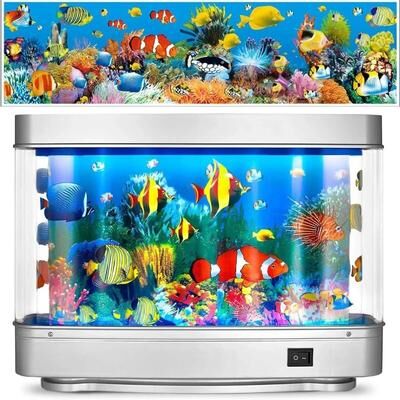
Uplift Essentials Virtual Motion Ocean Aquarium Lamp Virtual Motion Ocean Aquarium Lamp"Experience the tranquil beauty of the deep blue without the maintenance of a real tank with the Virtual Motion Ocean Aquarium Lamp. This creative decorative piece uses highdefinition ""moving picture"" technology to simulate a vibrant tropical reef,..."79,97 $*Shipping: 0,00 $Secure redirect to the provider
-
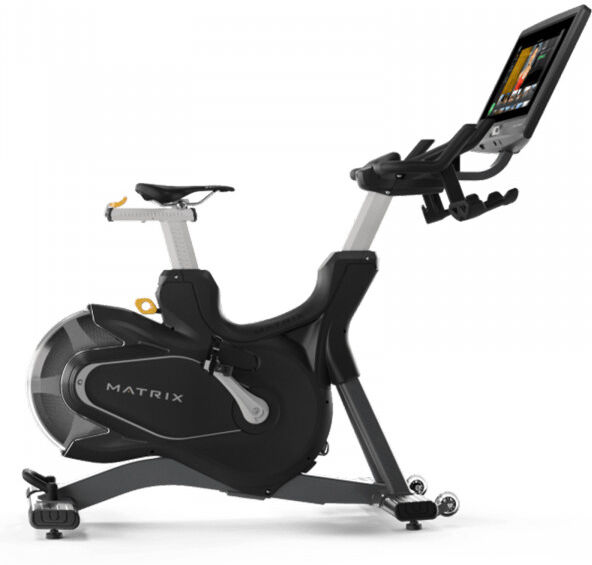
Matrix Virtual Training Cycle CXVTHE MATRIX VIRTUAL TRAINING CYCLE The Matrix Virtual Training Cycle is the purpose built bike for your cardio zone. Whether gym members are challenging themselves with exclusive workouts, enjoying streaming entertainment or taking on an immersive group class, the Virtual Training Cycle will...4794,00 £*Shipping: 0,00 £Secure redirect to the provider
-
What are solutions for demographic change?
Solutions for demographic change include implementing policies that support family-friendly workplaces and flexible work arrangements to encourage higher birth rates. Additionally, investing in education and training programs to support the aging population and promote workforce participation among older adults can help mitigate the effects of demographic change. Immigration policies that attract skilled workers and contribute to population growth can also be a solution for demographic change. Finally, promoting healthy lifestyles and access to healthcare can help address the challenges associated with an aging population. **
-
What is the demographic transition 2?
The demographic transition 2 refers to the second stage of the demographic transition model, which is a theory that describes the process of population growth and decline over time. In the second stage, both birth rates and death rates decline, leading to a slower rate of population growth. This stage is often associated with improvements in healthcare, sanitation, and education, which contribute to lower mortality rates and longer life expectancy. As a result, the population becomes more stable and begins to age, leading to changes in the age structure of the population. **
-
How does demographic change affect the economy?
Demographic change can have a significant impact on the economy in various ways. For example, an aging population can lead to a shrinking workforce and increased healthcare costs, putting pressure on government budgets. Additionally, changes in the age distribution of the population can affect consumer spending patterns and demand for certain goods and services. Furthermore, demographic shifts can also impact productivity levels and innovation within an economy, as different age groups may have varying levels of skills and expertise. **
-
How do I interpret this demographic diagram?
To interpret a demographic diagram, you should first identify the key components such as age groups, gender distribution, and any other relevant categories. Next, analyze the size and distribution of each group to understand the demographic composition. Look for patterns or trends, such as a larger proportion of a certain age group or gender, which can provide insights into the population characteristics. Finally, consider the implications of the diagram in relation to the context or topic being studied, and how it may impact decision-making or planning. **
* All prices are inclusive of VAT and, if applicable, plus shipping costs. The offer information is based on the details provided by the respective shop and is updated through automated processes. Real-time updates do not occur, so deviations can occur in individual cases. ** Note: Parts of this content were created by AI.